

“Working with defft.ai—it was mind-blowing.”
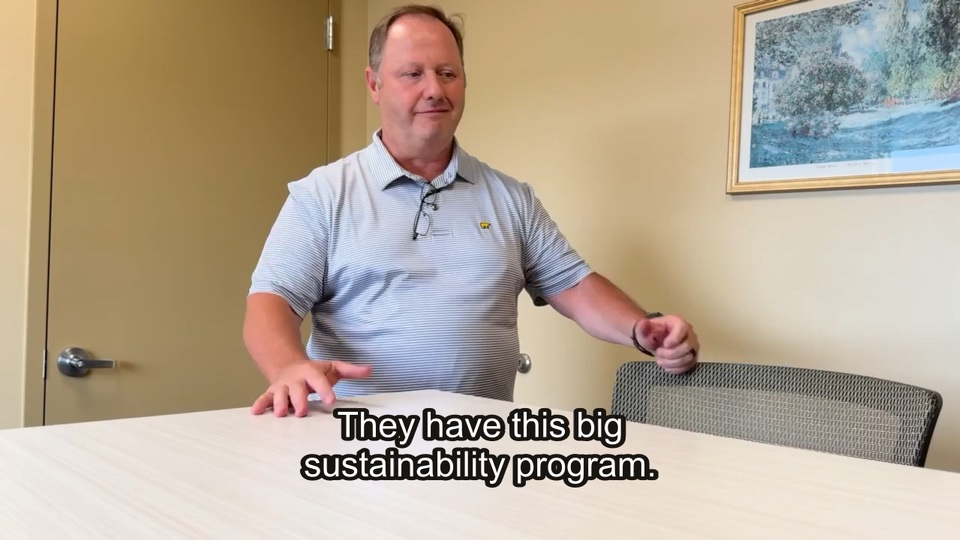
Robert Jakub
30 years in packaging sales
 Book a walkthrough
Turn warehouse-floor observations into quantified operational proposals that reframe every customer bid.
Commercial field users
Real feedback from commercial field reps on how defft.ai transforms commodity discounting into quantified operational value.
“Working with defft.ai—it was mind-blowing.”
30 years in packaging sales
“It was almost like having a team behind you.”
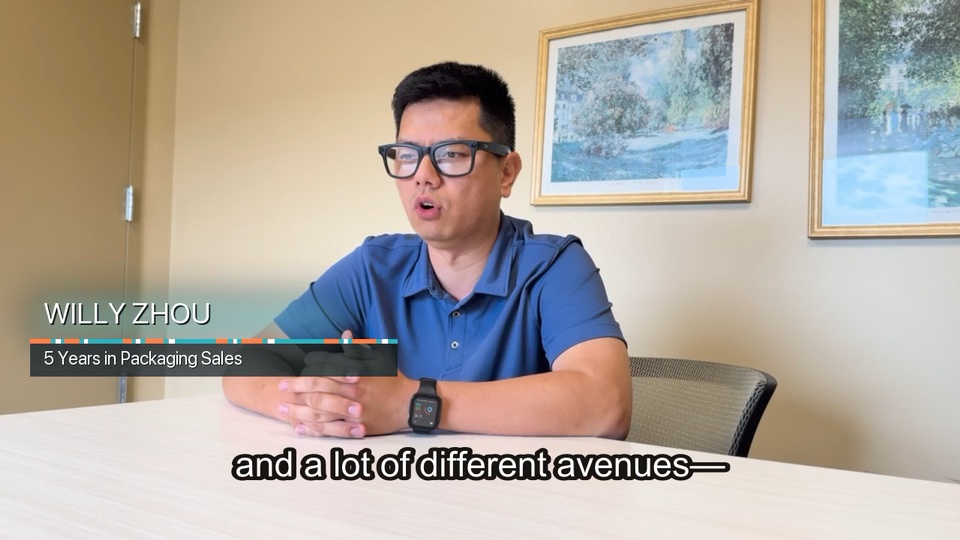
5 years in packaging sales
“It gave me total control of the numbers in the room.”
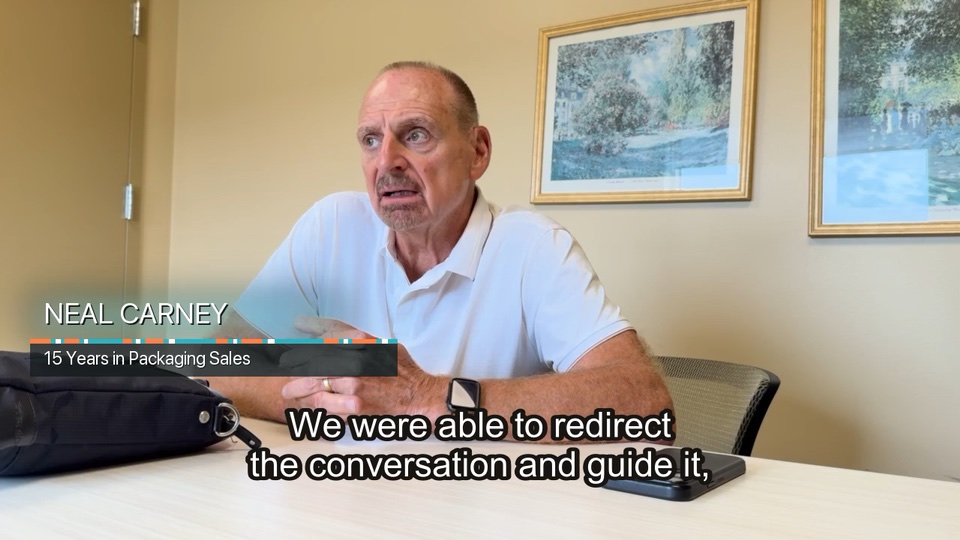
15 years in packaging sales
User feedback
Product vision
From the first observation on the floor to a customer-ready recommendation.
The competitor's carton is five cents cheaper. Adjust the operating assumptions to see why unit price can be the smallest part of the customer's decision.
Unit price$12,500
Modeled operating cost$66,220
A five-cent premium adds $500 to carton cost. The sliders show how a broader operating improvement can change the outcome.
$21,780 in modeled operating improvement, after the carton premium.
The lowest unit price is not always the lowest total cost.
Illustrative comparison only. Customer recommendations depend on validated account evidence and assumptions; this is not an itemized Total Cost Analysis.Continue the story
Follow the system from institutional intelligence to one useful recommendation, then see how every customer interaction makes the next seller smarter.